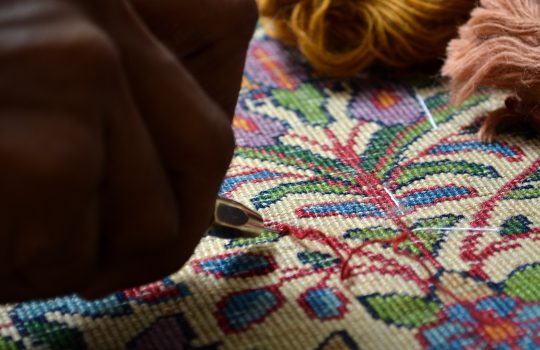
Weaving Stories: Modern interior design pieces
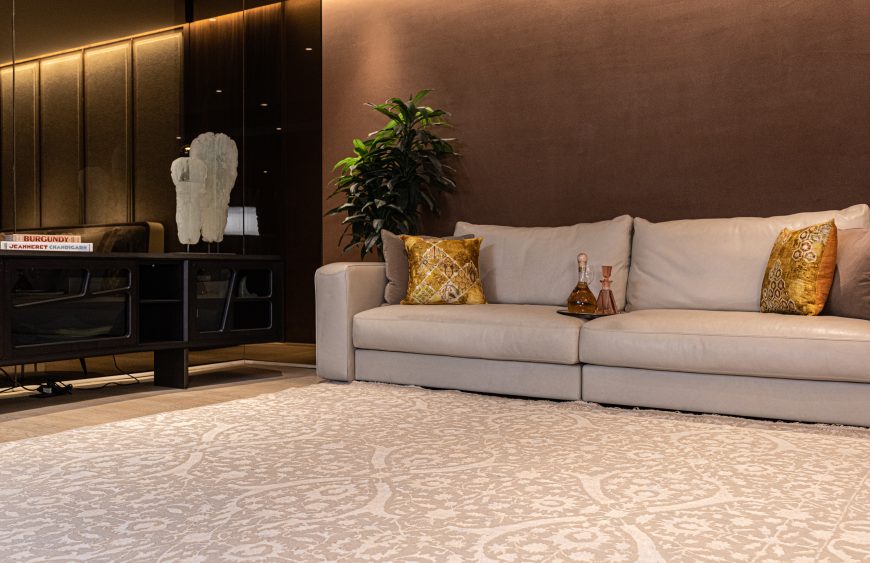
By the turn of the 20th century, carpet manufacturing had transformed from a village-based enterprise into an industrial one. The innovations of the Industrial Revolution coupled with the rise of the middle classes meant that rugs were more accessible than ever and had become a sought-after interior design piece for modern homes.
Today, rugs are used as statement pieces in entrance hallways and to add warmth to exposed timber floors while carpets are installed wall-to-wall for continual comfort under foot. The thermal and acoustic benefits of carpets have seen them favoured in public buildings, stores and offices, particularly in cooler parts of the world. As a result, rugs and carpets have gone from being an exclusive object to an everyday article of interior design.
Wool and sustainable design
One of the major shifts in carpet manufacturing in recent decades is the development of synthetic fibres. Previously, wool, cotton and silk were the main materials used for the creation of carpets and rugs but this has shifted towards more affordable nylon, polypropylene and polyester. Unfortunately, these more cost-effective materials are not always of the highest quality and wool rugs remain highly sought after if it’s within financial reach.
The preference for wool as a material of choice in carpet design also plays into the increased awareness about environmental degradation and the desire of many consumers to reduce their carbon footprint. In recent years, sustainable design has come to the fore, driven not only by the ethical considerations of manufacturers but also by the demands of purchasers.
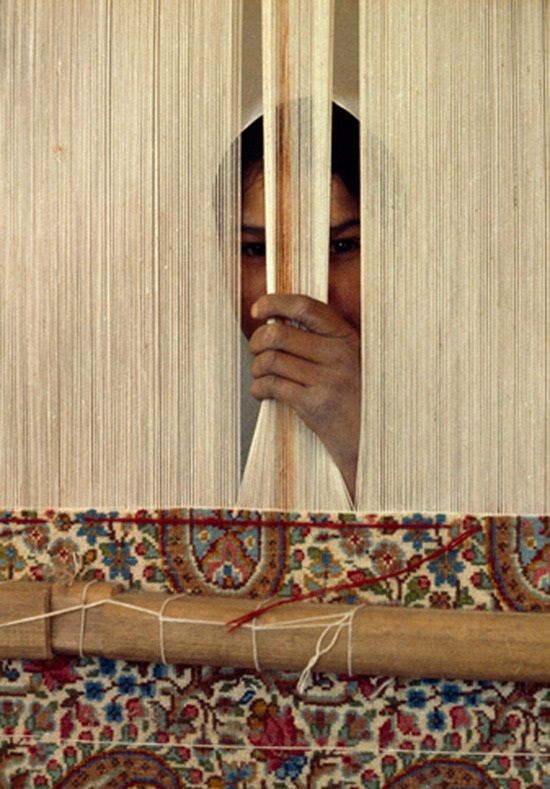
Carpet manufacturers have responded by crafting rugs using organic fibres and natural dyes, which are much less harmful to the environment than their chemical counterparts. It is, interestingly, returning full circle to the way rugs were initially crafted, albeit using modern machinery.
While the price tag for sustainable pieces is often higher, this reflects the quality of materials and the craftsmanship that has gone into their creation. By investing in a sustainably made modern rug, purchasers have peace of mind that it will biodegrade at the end of its lifetime, rather than live on forever in landfill.
20th- and 21st-century design trends
Throughout the 20th century, much has changed in the aesthetics of interior design, from the functional pieces of the Bauhaus School to the striking colour combinations of the 1980s. The Arts and Crafts movement saw the creation of rugs inspired by old textile patterns while Mid-Century Modern carpets often harked back to Persian, Turkish and Asian patterns.

The Swiss architect and designer Le Corbusier was known to be fond of Berber carpets, many of which decorated the interiors of his Brutalist designs. In particular, he is credited with the trend of European residential buildings being decorated with Beni Ourain rugs, which are famed for their black and white geometric designs.
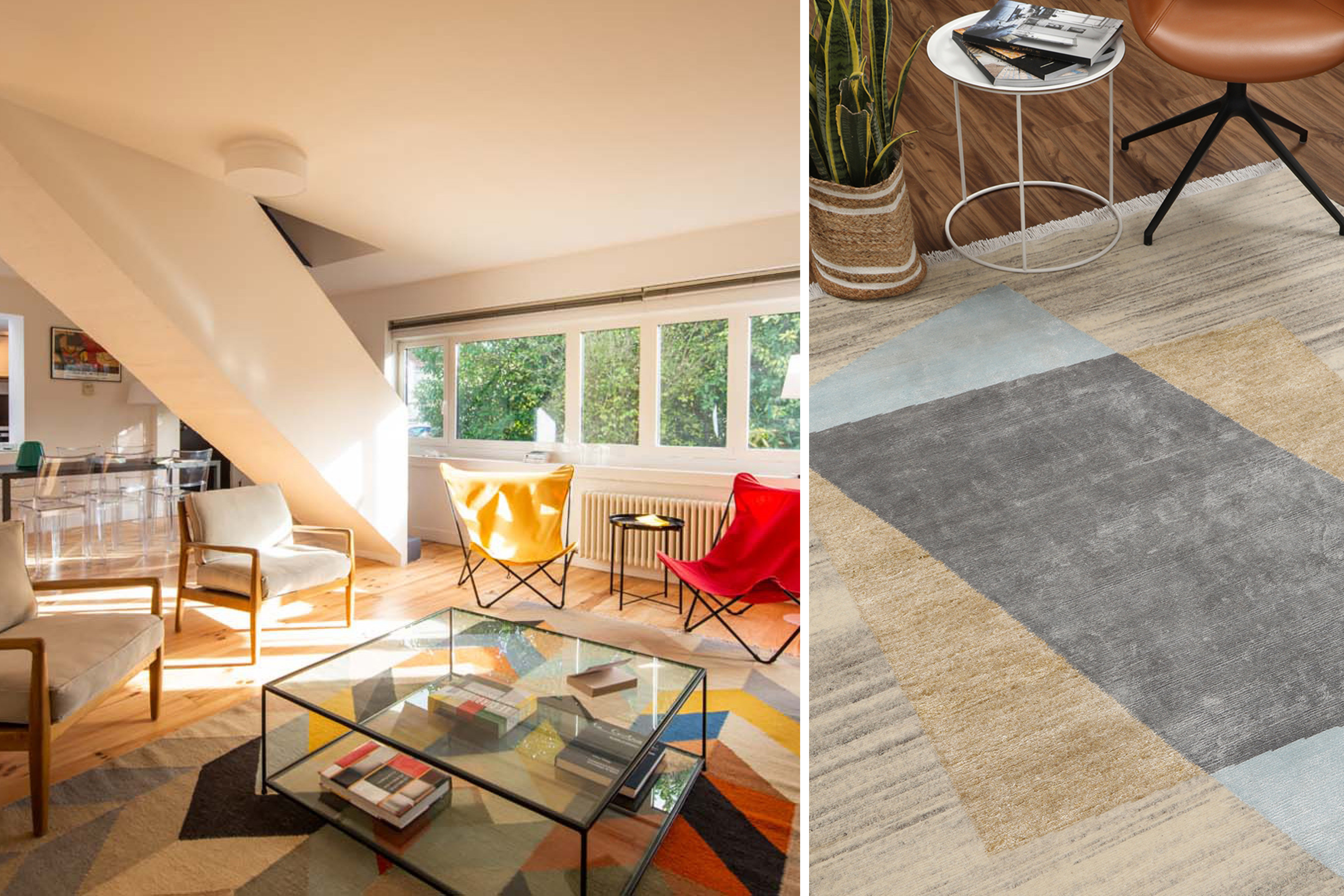
Contemporary rugs of the early 21st century are often brightly coloured and patterned, with abstract motifs and asymmetrical designs inspired by modern painters and creatives. For example, Zaha Hadid Design recently released a collection of carpets inspired by the work of its late founder, including organic cellular shapes and striated lines.
That being said, traditional designs from Central Asia remain ever-popular and are being reimagined with contemporary colour palettes. The Vienna-based architect, Kourosh Asgar-Irani, uses computational design tools to transform traditional Persian patterns into modern rug designs that complement a room’s aesthetic.
An antique rug renaissance
In the interior design world, traditional and antique-inspired rugs are often incorporated into contemporary spaces to add depth and colour. When you consider the time and artistry that has gone into the creation of antique carpets, it’s understandable that some are now considered collector’s items.
Many people appreciate the patina of a decades- or centuries-old rug and the stories it has to tell. Their longevity is a testament to the quality of the craftsmanship, as well as the superiority of the materials and natural dyes that were used.
The inspirations that shape interior trends are constantly evolving and carpet designs are continually changing to keep pace. But there’s no denying the important role of the industry’s early masters and tribal communities whose traditions, artistry and innovations are still vividly reflected in the floor coverings we choose to display in our homes today.